
Photography is “drawing with light”. Reflected or direct light from the subject is recorded on a light-sensitive material. The captured information is interpreted and processed automatically or manually and becomes an image; a photograph. An artist looks at the subject and records his or her impression with colors on canvas; a painting. Both cases is a depiction of reality; an interpretation that the photographer or artist makes. There are countless methods that visual artists use to guide us when we look at a photograph/work of art.
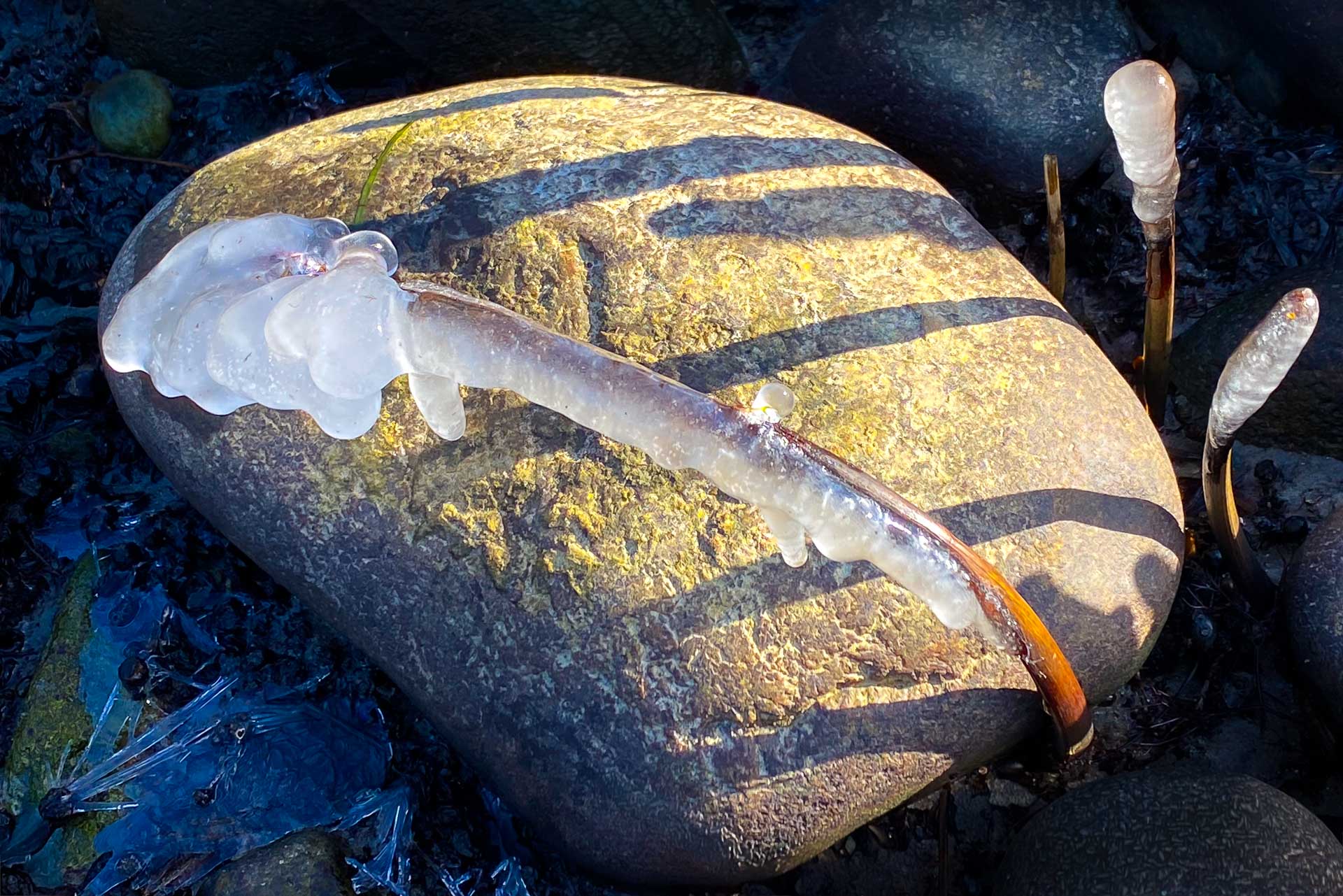
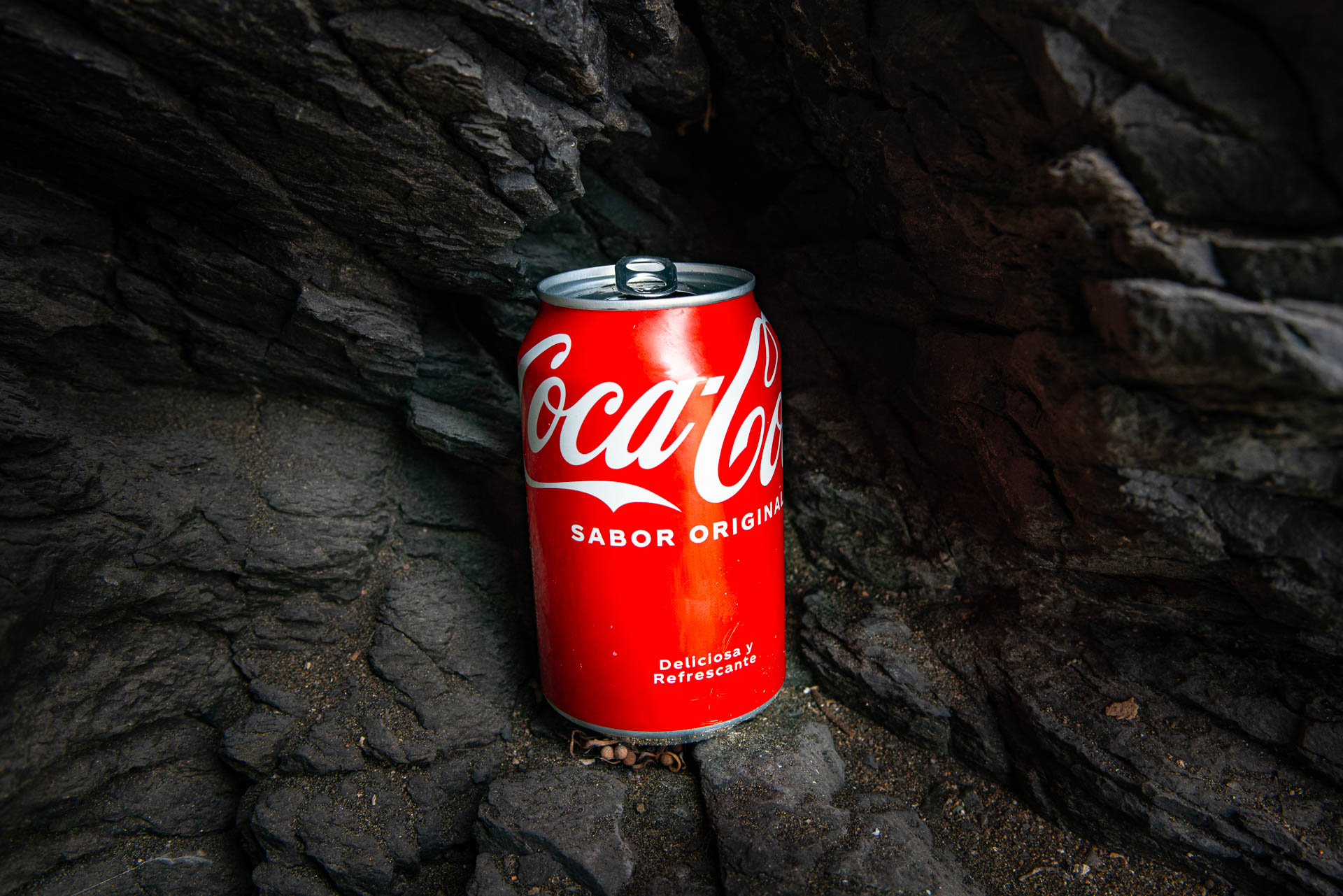
A method that has been used since the Middle Ages is to leave the important parts illuminated with the surrounding less important parts dark. The method is called chiaroscuro (French clair-obscur, after Italian chiaroscuro) and refers to the use of light and shadow with strongly contrasting colors. Caravaggio, Rembrandt and Georges de La Tour are known for this technique, which was particularly appreciated in the 17th century.
The technique is widely used in photography. The images of the week are examples of how light can be used to highlight the important parts and “help” the viewer see the work.
A completely different technique was used by the pioneering British photographer Martin Parr. A flat and harsh lighting with clear and prominent colors gives the impression that reality has been recorded undistorted; a true documentary. Fantastic humorous compositions and critical content are found in his very extensive production. He contributed to changing documentary photography from the black and white serious images of older times to greater playfulness in color. The Swedish photographer Lars Turnbjörk was greatly inspired by Parr.
Parr exhibited at the Royal Theatre in Copenhagen during this summer’s Copenhagen Photo Festival. Sydsvenskan published a great article about Martin Parr at the time.
Martin Parr passed away yesterday.